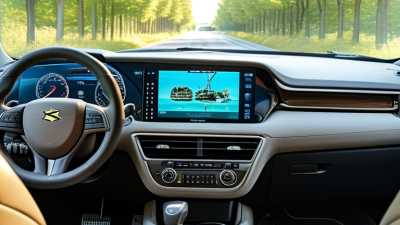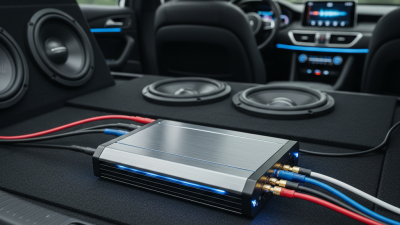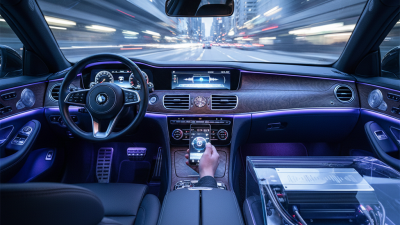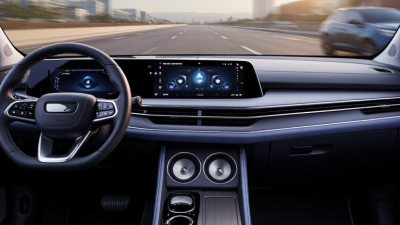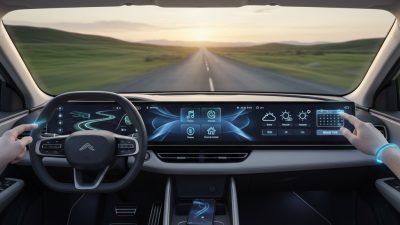
Choosing the best car entertainment system requires more than comparing screen size and speaker count. A reliable system should match your vehicle, driving habits, budget, and passengers’ needs. I have seen impressive displays become frustrating because they blocked visibility, responded slowly, or lacked suitable mounting support. The right choice should offer clear audio, simple controls, stable connectivity, and safe operation while driving. Small details matter. Can passengers reach the controls easily? Does the screen remain readable in bright sunlight? Can the system connect with your phone without repeated pairing problems?
Professional guidance also matters, especially when installation affects factory wiring, steering-wheel controls, or vehicle safety features. Check manufacturer specifications, warranty terms, software support, and compatibility before purchasing. Independent reviews can reveal problems that product advertisements overlook, although no review is completely objective. This guide will compare display quality, audio performance, navigation options, smartphone integration, installation requirements, and long-term value. You will also learn how to distinguish useful features from attractive extras you may rarely use. Some buyers prefer powerful bass, while others need quiet rear-seat entertainment for family trips. That trade-off matters. A cheaper system may look appealing, yet poor support can cost more later. Real-world use exposes weaknesses. Before buying, consider your daily routes, climate, passengers, and technical confidence. The best car entertainment system is not always the most expensive one. It is the system that works reliably, safely, and comfortably in your specific car.
How to Choose the Best Car Entertainment System?
Define Your Car Entertainment Needs and Usage Habits
Start by observing how you actually use your car. A daily commuter may need clear hands-free calls, simple audio controls, and reliable navigation. A family driver may value rear-seat entertainment, multiple listening options, and easy volume adjustment. Your needs should guide the system, not a long feature list.
Think about your routine. Do you drive mostly in bright daylight, heavy traffic, or quiet neighborhoods? A screen with strong visibility can reduce distraction. Physical controls may feel safer when your attention belongs on the road. Check whether the system supports your phone, preferred audio sources, and existing speakers. Compatibility problems are frustrating. They can also create extra installation costs.
I once chose a system with too many advanced functions. My passengers enjoyed it, but I rarely used half of them. That mistake mattered. A simpler setup would have matched my short daily trips better. Consider who sits in the car, how often they travel, and what they expect during each journey. Children may need different content controls than adults. Frequent travelers may care more about stable connectivity and comfortable sound than visual effects.
Ask an experienced installer to inspect your vehicle before purchasing. Wiring, dashboard space, steering controls, and factory safety features can affect the installation. Confirm local regulations for screens and driver interaction. Test the controls in person, if possible. Small details matter. A system should fit your habits, not force you to change them.
How to Choose the Best Car Entertainment System?
Check vehicle compatibility before comparing screen size or sound quality. Measure the dashboard opening, mounting depth, and available ventilation space. A neat dashboard can still be a poor fit. S&P Global Mobility reported that the average U.S. vehicle reached 12.6 years in 2024. Older vehicles may use unusual wiring, separate amplifiers, or limited factory controls. Confirm steering-wheel buttons, parking sensors, backup cameras, and climate displays before purchase. Check voltage requirements too. A wiring adapter may be essential.
Installation also depends on the vehicle’s communication system. Some cars use a digital data network to control lighting, alerts, and audio functions. An incompatible interface can create warning lights or silence important sounds. The National Highway Traffic Safety Administration recorded 3,275 distracted-driving deaths in 2023. Keep controls simple, and avoid systems requiring repeated touchscreen steps while driving. Voice control helps, but AAA Foundation research found that voice interaction can still create mental distraction.
Use the installation manual, not only the product listing. Ask a qualified installer to inspect the dash structure and existing wiring. I have seen “universal” equipment need extra brackets and cables. That cost is easy to miss. Also check whether the new display blocks air vents, emergency controls, or the driver’s view. A professional inspection may feel unnecessary. Sometimes it is. Yet replacing a poorly fitted system costs more than choosing the right interface first.
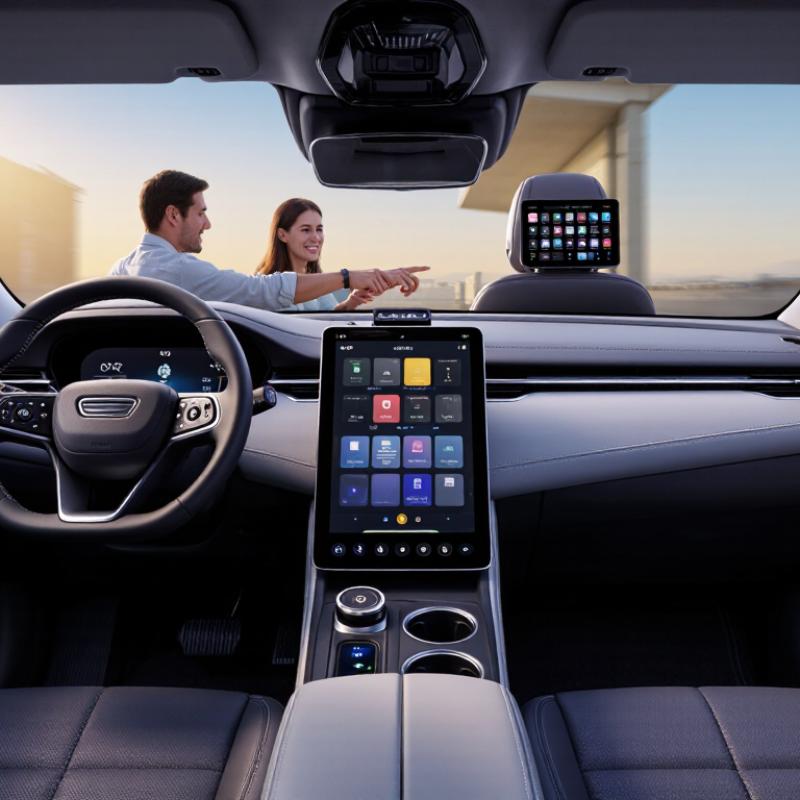
Choosing the best car entertainment system starts with the display. A bright screen should remain readable under direct sunlight. Check viewing angles from the driver’s seat and rear seats. Physical controls can help when roads become uneven. Touch-only systems look clean, but they may distract you during movement. I have found that a slightly smaller screen can feel safer and easier to manage.
Audio quality depends on more than speaker count. Listen for clear voices, balanced bass, and low distortion at moderate volume. A system should keep conversations natural, not create a harsh cabin echo. Test it with several recordings, including spoken instructions and quiet music. Audio tuning is personal, though poor clarity is difficult to ignore.
Connectivity affects daily convenience. Look for stable wireless pairing, charging support, navigation access, and compatibility with common phones. The connection should recover quickly after the vehicle starts. Control options matter too. Steering-wheel buttons, voice commands, and rear-seat controls should respond consistently. Test each feature before purchase. Small delays become irritating. My own mistake was judging a system in a quiet showroom. Road noise changed everything. I would now test it during daylight, with passengers inside, and without relying on sales demonstrations. Certain features may sound impressive, yet remain unused after the first week.
Safety should guide every entertainment-system decision. NHTSA’s 2022 Traffic Safety Facts reported 3,308 deaths and 289,310 injuries from distraction-affected crashes in the United States. Choose controls that remain usable with one glance, such as physical volume buttons and clear voice commands. A bright screen can look attractive in a showroom. It may become distracting at night.
Test it in real conditions. Sit in the driver’s seat, connect a phone, and adjust audio without reaching across the console. AAA Foundation research found that drivers can retain mental distraction for up to 27 seconds after completing an infotainment task. That finding changed how I judge “easy” interfaces. Familiar menus still deserve skepticism.
Software support matters as much as hardware. Check the manufacturer’s stated update period, wireless compatibility, navigation-data policy, and security process. NIST’s Cybersecurity Framework emphasizes identification, protection, detection, response, and recovery, which are useful questions for connected systems. Ask whether updates require service visits or a removable drive. Upgrade flexibility also protects your investment. Look for replaceable displays, standard wiring, expandable storage, and support for newer connection protocols. However, modular claims can be vague. Get them in writing. A system that works perfectly today may feel limited after two phone upgrades. Testing is not optional.
How to Choose the Best Car Entertainment System?
Set a realistic budget before comparing screens, speakers, and installation fees. The system price is only part of the expense. Professional wiring, dashboard fitting, steering-wheel controls, and future repairs can add 20% or more. Keep a reserve for hidden costs. My first estimate was often too optimistic.
Start with daily needs. A commuter may need clear calls, reliable navigation, and simple phone integration. A family may value rear-seat displays, independent audio, and durable controls. Pew Research Center’s 2024 Mobile Fact Sheet reports that 91% of U.S. adults own a smartphone. Therefore, seamless phone compatibility often matters more than an oversized screen. The 2024 J.D. Power U.S. Tech Experience Index also identifies smartphone-based functions as a strong consumer preference. Bigger is not always better.
Compare total value, not impressive specifications. Check screen brightness in direct sunlight, response speed, microphone clarity, and audio balance. Ask an installer to demonstrate the system inside a parked vehicle. Test your own phone. Cheap systems can look attractive, but poor software may create daily frustration. That choice may need reconsideration. Spend more on dependable installation and core functions before adding decorative extras. Keep controls reachable without distracting the driver. Safety should shape the budget.
| Budget Level | Typical System | Key Features | Typical Display Size | Installation Requirements | Best Fit For | Main Advantages | Potential Limitations |
|---|---|---|---|---|---|---|---|
| Under $250 | Basic audio receiver with hands-free calling | Bluetooth audio, USB playback, AM/FM radio, steering-wheel control support | None or small single-line display | Usually a straightforward dashboard replacement; a vehicle-specific wiring adapter may be needed | Drivers who mainly want safer calls and wireless music | Affordable, simple to operate, and compatible with many older vehicles | Usually lacks navigation, touchscreen controls, and advanced smartphone integration |
| $250–$600 | Touchscreen multimedia receiver | Smartphone projection, Bluetooth, USB, backup-camera input, digital audio controls | Approximately 6.8–7 inches | May require a dash installation kit, wiring interface, and camera adapter | Daily commuters who want modern connectivity without a premium system | Good balance of price, convenience, safety, and functionality | Some vehicles require additional adapters for factory amplifiers or steering-wheel controls |
| $600–$1,200 | Advanced touchscreen system with upgraded audio processing | Wireless smartphone projection, improved equalization, multiple camera inputs, digital signal processing | Approximately 7–10 inches | Professional installation is recommended, especially when retaining factory cameras or amplifiers | Drivers who value sound quality, convenience, and a cleaner integrated dashboard | Better sound adjustment, stronger connectivity, and broader expandability | Higher installation cost and possible compatibility issues with complex factory electronics |
| $1,200–$2,500 | Multi-zone entertainment system | Separate front and rear entertainment, multiple audio zones, additional screens, wireless headphone support | Front display plus 9–14-inch rear screens | Professional installation with careful cable routing and vehicle-specific mounting | Families and passengers who need entertainment during long trips | Allows passengers to watch or listen to different content while the driver stays focused | More expensive, more complex, and potentially less suitable for compact vehicles |
| $2,500 and above | Custom integrated audio and entertainment system | Amplifiers, upgraded speakers, subwoofer, sound tuning, multiple displays, custom controls | Vehicle-dependent; commonly 9–14 inches for main or rear displays | Professional system design, installation, tuning, and possible electrical upgrades | Enthusiasts and owners seeking premium sound or a fully customized cabin | Highest level of sound quality, personalization, and system expansion | Significant cost, longer installation time, and greater impact on the vehicle’s original interior |
Budget reminder: Reserve approximately 15%–30% of the total project budget for installation, wiring interfaces, mounting kits, camera adapters, and other vehicle-specific accessories. Always confirm dashboard size, factory amplifier compatibility, steering-wheel controls, and backup-camera requirements before purchasing.