
Download the 2025 Focal Car Catalogue | Focal INSIDE Catalogue | Join our Mailing List!

Why Choose Portable Car Charging for Your EV?

Why Choose Portable Car Charging for Your EV? For many electric vehicle drivers, the answer begins with convenience. A depleted battery can turn a normal journey into a stressful search for an available charger. Portable Car Charging offers another option: bringing useful energy directly to the vehicle. It can support roadside assistance, workplace charging, outdoor events, and homes without dedicated charging access.

Josh Aviv, founder and CEO of SparkCharge, has described this approach simply: “We’re bringing the gas station to you.” His statement reflects a practical change in charging behavior. Instead of always driving toward fixed infrastructure, drivers can access mobile charging where it is needed. A compact battery unit may fit inside a service vehicle, arrive at a parking space, or provide emergency energy during a long trip. The experience feels more flexible. Sometimes, that matters most.

Portable systems can reduce downtime for commercial fleets and help drivers manage unexpected battery shortages. They may also assist apartment residents who cannot install private chargers. However, portable charging is not a perfect replacement for every high-powered station. Charging speed, battery capacity, weather, vehicle compatibility, and equipment safety still require careful attention. This is where reliable specifications and trained operators become important. A rushed purchase can create disappointment. I would not treat every portable unit as equally capable. Buyers should compare certified equipment, connector standards, warranty coverage, and real-world charging performance. The technology is promising, but practical limits remain. That honest balance makes Portable Car Charging a useful part of a broader EV charging strategy, rather than an exaggerated solution.
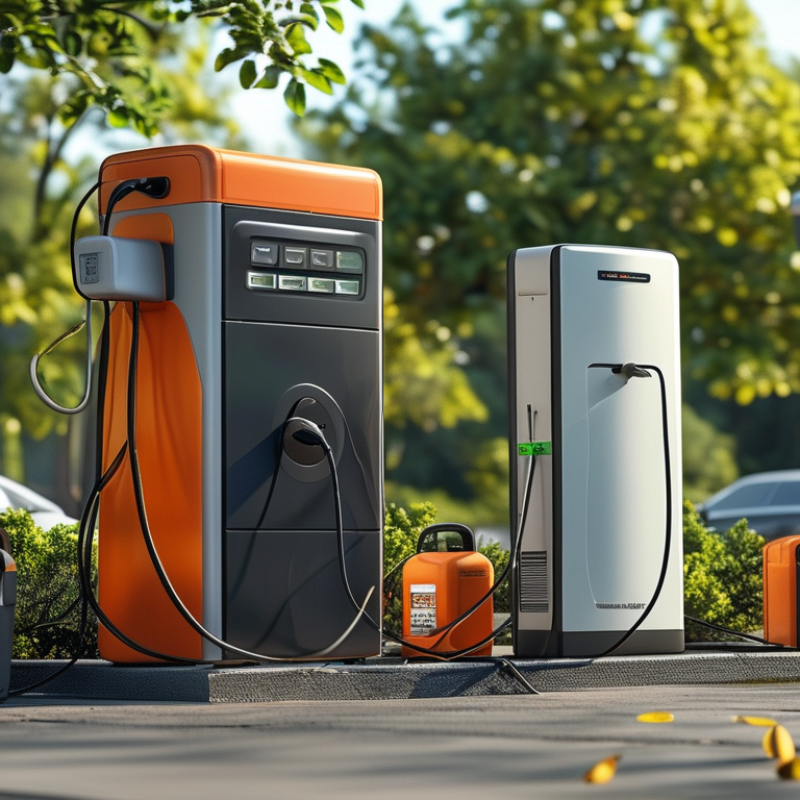
Why Choose Portable Car Charging for Your EV?

What Is Portable EV Charging and How Does It Work?

Why Choose Portable Car Charging for Your EV?

Portable EV charging means carrying a compact charging device instead of relying only on public stations. Most portable chargers connect to a household outlet and deliver controlled AC power to your vehicle. The car’s onboard charger then converts that AC electricity into DC energy for the battery. Some advanced units store electricity internally and provide emergency charging away from buildings.

The process is simple, but not effortless. After checking the outlet, you connect the charger, select a suitable current, and confirm the vehicle has started charging. A small display may show voltage, amperage, and charging time. In my experience, a portable unit is useful during road trips, temporary parking, or unexpected station queues. Charging can be slow. That matters. A standard outlet may add only a modest driving range overnight, while a properly installed higher-voltage outlet works faster. Never ignore heat, loose connections, or unusual smells.

Tips: Use a grounded outlet with enough circuit capacity. Avoid extension cords unless the equipment instructions specifically allow them. Keep connectors dry and inspect cables before every use. Follow local electrical requirements and the charger’s safety instructions. Portable charging is convenient, but it is not a substitute for careful planning. I still check the next reliable charging point before leaving, because battery estimates can change with speed, cold weather, traffic, and cabin heating.

When Is Portable Car Charging Most Useful?

Why Choose Portable Car Charging for Your EV?

When Is Portable Car Charging Most Useful?

Portable car charging is most useful when fixed charging is unavailable, inconvenient, or unexpectedly occupied. The need is growing: the International Energy Agency reported nearly 14 million electric cars sold worldwide in 2023. More drivers now face apartments, shared parking spaces, and unfamiliar routes without dedicated chargers.

A portable unit can help during overnight stays, workplace parking, camping trips, or roadside delays. A standard Level 1 connection typically adds about 2–5 miles of range per hour, according to the U.S. Department of Energy’s Alternative Fuels Data Center. That sounds slow. Yet six quiet hours may restore enough range for a short commute. Level 2 portable equipment can charge faster when a suitable 240-volt outlet is available.

Practical experience also exposes limitations. A cold battery, weak electrical circuit, or long extension cable can reduce charging performance and create safety risks. Portable charging is not a magic replacement for dependable home infrastructure. It works best as flexible backup, especially when plans change. Use a properly rated outlet, inspect the cable, and follow the vehicle manufacturer’s instructions. The IEA continues to identify charging access as a key factor in electric-vehicle adoption, but convenience depends on the specific parking and electrical conditions. A portable charger helps most when preparation meets uncertainty.

Key Benefits of Choosing a Portable EV Charger

Why Choose Portable Car Charging for Your EV?

Key Benefits of Choosing a Portable EV Charger

A portable EV charger gives drivers more control over daily charging. It can work at home, at work, or beside a rural guesthouse. This flexibility matters when a fixed charging station is unavailable. A compact unit can fit in a storage compartment. Keep it ready for unexpected schedule changes. Some drivers use it during weekend travel, while others keep it as a backup.

Convenience is only one benefit. Portable charging can reduce dependence on public stations during busy periods. It may also support charging from suitable household outlets, depending on the vehicle and charger specifications. Check voltage, current limits, grounding, and connector compatibility carefully. Safety comes first. A qualified electrician should inspect unfamiliar outlets before regular use. Never use damaged cables or loose extension connections. Small details matter.

Portable charging is not perfect. Charging from a basic outlet may take many hours. I have seen drivers focus on portability and overlook cable length, weather protection, or storage conditions. That mistake is easy to make. Read the vehicle manual and charger instructions before connecting. A simple routine helps: inspect the plug, confirm the outlet, set the correct current, and monitor the first few sessions. Reliable equipment should include clear safety protections and verifiable compliance information. Even then, charging habits need review. A portable charger is useful, but it cannot solve every electrical limitation.

Why Choose Portable Car Charging for Your EV? - Key Benefits of Choosing a Portable EV Charger

Evaluation Dimension Portable EV Charger Fixed Home Charger Practical Benefit
Installation Usually connects to a compatible household outlet or installed socket; no permanent wall mounting is required. Normally requires a dedicated circuit, fixed mounting, and qualified electrical work. Useful for renters, temporary parking locations, and drivers who do not want permanent installation.
Typical AC Charging Power Common portable units operate at approximately 1.4–3.7 kW from standard outlets; some compatible circuits support higher output. Many residential units provide approximately 3.7–11 kW, depending on the electrical supply and vehicle. Portable charging prioritizes flexibility, while fixed charging generally prioritizes faster overnight charging.
Estimated Charging Time for a 60 kWh Battery About 16–43 hours from empty at 1.4–3.7 kW, before considering charging losses and vehicle limits. About 5.5–16 hours at 3.7–11 kW, depending on the selected power level. Best suited to overnight top-ups or daily driving rather than rapid replenishment from empty.
Portability Can be stored in the vehicle and moved between compatible outlets or locations. Remains at one installation point. Provides charging access at home, work, holiday accommodation, or another approved location.
Backup Charging Can serve as a backup when a preferred charging station is unavailable, occupied, or out of service. Provides dependable charging only at the fixed installation location. Reduces dependence on a single charging location during travel or unexpected schedule changes.
Cost Considerations Typically avoids permanent installation costs, although the unit, suitable outlet, and electrical inspection may still create expenses. May involve equipment, wiring, permits, labor, and possible electrical-panel upgrades. Offers a lower-commitment option when installation costs or property restrictions are concerns.
Travel Convenience Can be packed with the vehicle for trips, provided the destination has a suitable outlet and safe electrical capacity. Does not provide charging access away from the property. Adds charging flexibility at campsites, private accommodation, workplaces, and other approved locations.
Safety Features to Check Look for residual-current protection, overcurrent protection, temperature monitoring, weather resistance, and clear status indicators. Usually connected to a dedicated circuit with protective devices installed as part of the electrical setup. Safety depends on the charger, outlet condition, grounding, cable handling, and correct installation or use.
Important Limitation Charging speed is limited by the outlet, circuit, charger, and vehicle. Do not use damaged outlets, extension cords, or unsuitable adapters. Requires a suitable permanent location and may not be practical where electrical upgrades or landlord approval are unavailable. Select the charging method according to daily mileage, parking arrangements, electrical capacity, and local regulations.

Note: Charging times are approximate theoretical estimates for a 60 kWh battery and may be longer because of charging losses, battery temperature, state of charge, vehicle limits, and electrical conditions. Always follow the vehicle and charger manufacturer's safety instructions.

How to Select the Right Portable Charger for Your EV

Why Choose Portable Car Charging for Your EV?

How to Select the Right Portable Charger for Your EV

Choosing a portable charger starts with your EV’s charging requirements. Check the vehicle manual for connector type, maximum amperage, and supported charging levels. A charger with higher output is not automatically better. Your home circuit must safely support it. A qualified electrician can confirm the outlet’s capacity and condition.

Cable length matters more than many drivers expect. A short cable may fail beside a crowded parking space. A very long cable adds weight and storage trouble. Look for clear temperature protection, overcurrent control, and durable insulation. Weather resistance is useful, but never use damaged equipment or connect it to an unsuitable outlet. Reliability comes from verified safety testing, clear instructions, and a warranty with accessible support. I once underestimated storage space. The charger worked well, but its stiff cable became annoying every day.

Tips: Match the charger to your EV and outlet. Carry a compact storage bag. Test the connection at home before a long trip. Keep the plug dry and inspect the cable regularly. Portable charging is helpful, but it should not replace a planned charging routine. Check local electrical guidance before using unfamiliar outlets. A small screen can show charging current and errors, which makes troubleshooting easier. Do not choose by price alone. It can be a false saving.

Safety, Compatibility, and Charging Limitations to Consider

Why Choose Portable Car Charging for Your EV?

Portable charging offers flexibility when a fixed charger is unavailable. However, safety and compatibility need careful checking. The International Energy Agency’s Global EV Outlook 2024 reports nearly 14 million electric cars were sold worldwide in 2023. More drivers now depend on convenient charging options. A portable EV charger should match the vehicle inlet, household voltage, current rating, and grounding system. IEC 61851 guidance also emphasizes controlled charging and protective functions. Never use damaged cables, loose sockets, or unsuitable extension cords. Heat around the plug is a warning sign.

Charging speed remains the main limitation. The U.S. Department of Energy’s Alternative Fuels Data Center lists typical Level 1 charging at about 1.3–1.9 kilowatts. Ten hours may add only a modest driving range, depending on battery efficiency and weather. Level 2 portable equipment can charge faster, but it may require a suitable 208–240-volt circuit. A heavier cable does not guarantee faster charging. I have seen users focus on amperage while ignoring socket condition. That is an easy mistake. Portable equipment is useful, but it is not a substitute for proper electrical installation.

Tips: Check the manual before every new connection. Keep the control box off wet ground. Monitor the plug during the first hour. Stop charging if it becomes unusually hot. Also, verify the charger’s ingress protection rating and current setting. Real-world range varies, so leave a safety margin rather than planning around perfect conditions.