Best Audio System for Car Audio What to Look For?
When choosing the best audio system car audio, several key factors come into play. The clarity of sound is crucial. Subwoofers enhance bass, while quality speakers improve overall sound fidelity. A user-friendly interface is also essential. Many systems feature touch screens and smartphone integration for easy access.
Cost is another important aspect. High-end systems offer exceptional sound but at a steep price. Consider what fits your budget while still providing good sound quality. Researching reputable brands can guide your decision. Brands with a history of quality often provide more reliable systems.
However, the perfect audio system may not exist. Personal preferences vary greatly. Some users may prioritize bass, while others seek clarity. Finding a balance can be challenging. Engaging in online forums or visiting local stores may help refine your choice. Ultimately, a quality audio system car audio can transform your driving experience if chosen wisely.
Key Components of a Car Audio System: Understanding the Basics
A car audio system consists of several key components. The head unit is the control center. It manages everything, from tuning to connecting devices. A quality head unit can elevate your listening experience. Consider features like Bluetooth and compatibility with various formats. These details matter greatly.
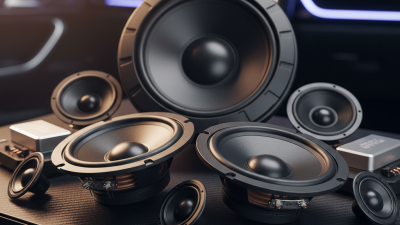
Speakers are crucial for sound quality. They come in different types: coaxial and component speakers. Coaxial speakers are all-in-one solutions, while component speakers offer a more dynamic sound. This choice can significantly influence the overall audio clarity. Pay attention to power handling and sensitivity ratings as well.
Subwoofers add depth to your music. They handle low frequencies, providing that thumping bass many enjoy. The size and enclosure type affect performance. A sealed box delivers tight sound, while a ported box offers more volume. You might find that achieving the perfect balance requires experimentation and adjustment. Building a satisfactory system involves understanding your preferences and making informed decisions.
Speaker Types and Their Impact on Sound Quality in Car Audio
When considering the best audio system for your car, the type of speakers you choose plays a crucial role in sound quality. There are several types of speakers, each with unique characteristics.
Full-range speakers offer versatility, combining multiple sound frequencies in one unit. However, they may struggle with clarity at high volumes, leading to distortion. Component speakers, while more complex, provide improved sound quality by separating high, mid, and low frequencies. According to a 2021 survey by the Mobile Electronics Association, 65% of audiophiles prefer component systems for their superior audio performance.
Subwoofers are essential for delivering deep bass. They enhance the overall sound experience, but not all setups require them. A well-placed subwoofer can transform your listening environment, while an improperly installed one can create muddled vibrations.
Research suggests that a 12-inch subwoofer can produce sound frequencies down to 20Hz, adding depth to genres like hip-hop or electronic music.
The material quality of the speakers also impacts performance. High-quality materials, such as polypropylene cones, can withstand temperature fluctuations, affecting longevity. Conversely, lower quality materials can warp or degrade quickly, compromising sound clarity. It's essential to balance budget with performance. Investing in better speakers often yields noticeable improvements, but the cost may not always align with individual listening preferences.
Amplifiers: Choosing the Right Power for Your Vehicle’s Audio System
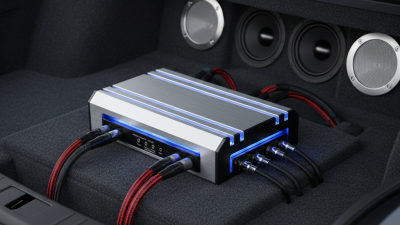
When choosing an amplifier for your car audio system, power is key. An amplifier boosts the sound signal, resulting in clearer and louder audio. But how much power do you need? This depends on your vehicle's audio system and personal preferences. For a subwoofer, consider amplifiers with higher wattage. However, balance is crucial; too much power can lead to distortion.
Look for specifications like RMS power rating. This indicates how much power the amplifier can deliver continuously. A good rule of thumb is to match your amplifier’s RMS rating to your speakers’ capacity. This helps avoid damage while enhancing sound quality. Sometimes, you might feel tempted to overestimate. It could lead to disappointing results.
Install the amplifier securely. Poor connections may cause unwanted noise. Use quality cables for better performance. Assess your mounting options. You want to prevent movement during driving. Remember, even the best amplifiers need the right setup. Test different settings to find your preferred sound. Don’t be afraid to experiment. The goal is to discover a setup that resonates with you.
Sources and Connectivity: The Role of Head Units in Sound Setup
When considering the best audio system for your car, head units play a pivotal role. They serve as the command center, influencing sound quality and connectivity. According to industry reports, nearly 70% of car audio users prioritize head unit features when upgrading their systems. This includes compatibility with various digital sources and seamless connectivity options.
Modern head units often support Bluetooth, USB, and auxiliary inputs. These features enhance user experience and allow for versatile listening. A study by Sound & Vision indicates that systems with USB inputs can deliver clearer audio signals compared to traditional methods. However, not all head units are created equal; many consumers overlook the impact of signal processing capabilities. Poor signal processing can lead to audio distortion, negating the sound quality advantages one might expect.
When evaluating head units, one must consider not only the sound but also user interface design. Ease of use can significantly enhance the listening experience. Yet, many users report frustration with complex menus or small screens. Industry feedback suggests that simplicity should not be sacrificed for features. Striking the right balance is crucial for a satisfying sound setup.
Sound Isolation and Acoustics: Optimizing Your Car for Superior Audio
When optimizing your car for superior audio, sound isolation and acoustics play crucial roles. Many car owners overlook the importance of proper sound insulation. The materials used in a vehicle largely determine how sound travels inside. Without adequate soundproofing, even the best audio systems will sound mediocre. Focus on areas like doors, trunk, and windows. Applying sound-deadening mats can minimize outside noise, improving audio clarity.
Improving your car’s acoustics can be achieved by adjusting speaker placements. Thoughtfully positioned speakers create a balanced soundstage. If your speakers are too low or poorly aligned, you may miss a lot of detail. Experimenting with different locations might yield surprising improvements. Additionally, consider the concept of phase. Ensuring that all speakers are in sync will prevent phase cancellation, a common issue that leads to muffled audio.
To further enhance your listening experience, include acoustic treatments in the interior. Soft furnishings can absorb excess sound, while reflective surfaces might enhance certain frequencies. Balancing these elements is key. The goal is not perfection but rather a space where you enjoy music more. Auditory experiences are subjective. Take the time to tweak your setup until it feels right.
Audio System Component Quality Ratings
The chart above presents the quality ratings for various components of car audio systems. The ratings are based on factors such as sound clarity, durability, and performance. Higher ratings indicate superior components for achieving optimal sound isolation and acoustics in vehicles.