
Download the 2025 Focal Car Catalogue | Focal INSIDE Catalogue | Join our Mailing List!

2026 Top Fuel Oil Heater Types for Global Buyers

In 2026, global buyers face a wider range of Fuel Oil Heater designs than ever before. Applications vary from construction sites and workshops to warehouses, agricultural buildings, and industrial process areas. Each environment demands a different balance of heating capacity, fuel efficiency, portability, control, and maintenance access. A compact direct-fired unit may heat an open workshop quickly. An indirect-fired model may better protect indoor air quality where people, products, or sensitive equipment are present.

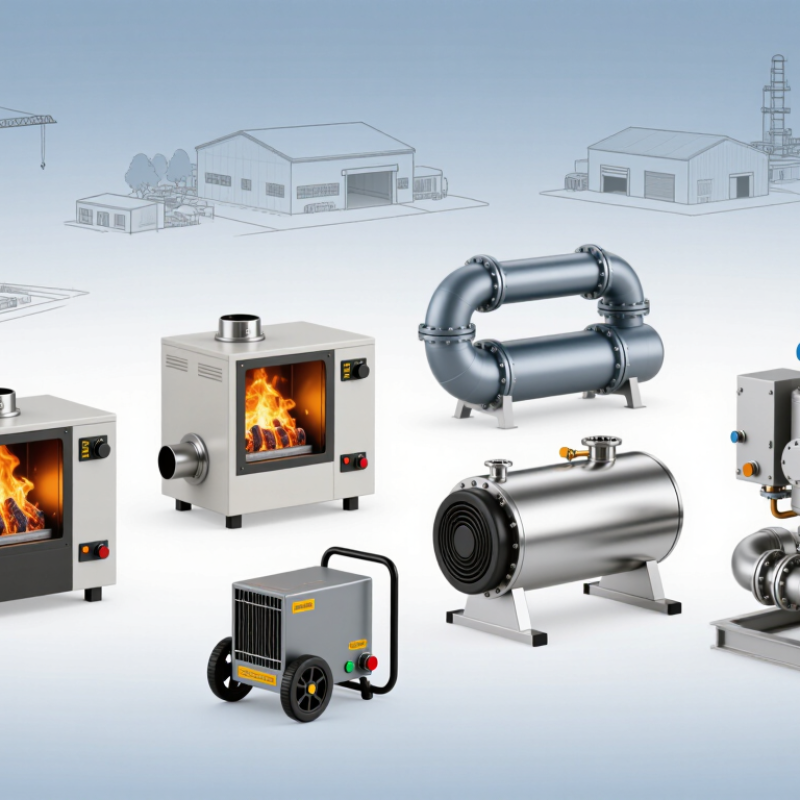
This guide introduces the main Fuel Oil Heater types available to international buyers. It examines direct-fired, indirect-fired, ducted, portable, skid-mounted, and process-heating solutions. The comparison considers heat output, combustion design, fuel compatibility, operating temperature, noise, emissions control, and installation requirements. Small details matter. A blocked filter, unstable fuel supply, or poorly sized exhaust system can reduce performance quickly. Cold climates may also affect fuel flow and ignition reliability.

Reliable purchasing requires more than comparing catalog prices. Buyers should review test records, technical drawings, warranty terms, spare-part availability, and supplier experience in similar climates. Certification must match the destination market and intended application. A neat product table cannot replace professional evaluation. Some online specifications are incomplete, and advertised efficiency may depend on operating conditions. That deserves careful checking. This overview offers a practical starting point, not a universal answer. Site conditions, local regulations, technician skills, and long-term service support should shape the final decision.
2026 Top Fuel Oil Heater Types for Global Buyers

What Fuel Oil Heaters Are and How They Generate Heat

2026 Top Fuel Oil Heater Types for Global Buyers

What Fuel Oil Heaters Are and How They Generate Heat

Fuel oil heaters burn liquid fuel to produce controlled heat for buildings, workshops, and industrial spaces. Their core parts include a storage tank, pump, burner, heat exchanger, and flue. A pressure-atomizing burner forces fuel through a small nozzle. It creates a fine mist. An electric ignition system then lights the mist inside the combustion chamber.

The flame heats metal surfaces inside the heat exchanger. Air or water absorbs this energy and carries it indoors. Direct-fired units release warm combustion air into the room. Indirect-fired models keep exhaust gases separate, improving indoor air quality. Pressure-atomizing, rotary-cup, and vaporizing burners suit different fuel viscosities and operating conditions.

Fuel quality matters more than many buyers expect. The U.S. Energy Information Administration estimates heating oil contains about 138,500 Btu per gallon, equal to roughly 40.6 megajoules per litre. Actual useful heat is lower because combustion and flue losses remain. The U.S. Department of Energy reports modern oil heating equipment can reach around 80% to 90% annual fuel utilization efficiency, depending on design and maintenance.

A neat efficiency number can mislead. Poor nozzle adjustment, blocked filters, or wet fuel can reduce performance quickly. In field inspections, clean airflow and correct draft often matter as much as the heater’s rated output. Buyers should compare fuel type, heat-transfer method, emissions controls, service access, and local fuel standards before selecting a 2026 model.

主要油加热器类型及其适用场景

Selecting a fuel oil heater starts with the oil’s viscosity, storage volume, target temperature, and available utilities. Electric circulation heaters suit small and medium tanks, especially where clean, precise heating matters. They work well for diesel, heavy fuel oil, and process oils during transfer.

Steam jacketed heaters fit refineries, terminals, and processing plants with reliable steam systems. They provide steady, indirect heat around pipes, pumps, and tanks. Thermal fluid heaters support higher temperatures and stable operation when steam pressure is limited. Their closed-loop design can reduce direct contact with the product.

Fired heaters serve large storage farms and high-capacity transfer lines. They can deliver strong heating performance, but combustion controls, ventilation, inspection, and emissions compliance require careful engineering. In practical projects, electric units are easier to install, while steam systems often perform better in continuous operations. No single type wins everywhere. A heater sized only by tank volume may fail when cold oil enters a narrow pipeline. Viscosity changes quickly.

Temperature sensors should sit near the actual outlet, not only near the heater. Insulation also matters; a warm tank can still lose heat through an exposed valve. Selection mistakes happen when buyers focus on purchase price. Operating hours, maintenance access, fuel quality, and shutdown conditions deserve equal attention. Test data from the real oil is valuable, although it is sometimes unavailable.

关键性能参数与燃料兼容性比较

2026 Top Fuel Oil Heater Types for Global Buyers

Selecting a fuel oil heater requires more than comparing heat output. Direct-fired heaters warm air quickly, but combustion gases enter the heated space. They suit ventilated workshops and construction areas. Indirect-fired models separate exhaust from process air through a heat exchanger. Thermal oil heaters circulate heated fluid through pipes, supporting stable temperatures in factories.

Key performance parameters include rated heat output, thermal efficiency, fuel consumption, temperature accuracy, and burner turndown range. A wider turndown range helps prevent frequent cycling. Check cold-start performance in winter climates. A high efficiency figure can mislead when measured under ideal laboratory conditions. Field results often change with altitude, airflow, and maintenance quality.

Fuel compatibility is equally important. Light fuel oils and kerosene usually atomize easily in standard burners. Heavy fuel oils may require preheating, stronger filtration, and heated storage lines. Biodiesel blends can affect seals, viscosity, and long-term deposit formation. Confirm the approved blend ratio and required filter rating before ordering. Sulfur content also influences corrosion, exhaust treatment, and service intervals. I would not trust a compatibility chart without checking the actual fuel sample, ambient temperature, and burner settings. Safety controls, leak detection, flame monitoring, and documented testing remain essential for reliable operation across different markets.

2026 Top Fuel Oil Heater Types for Global Buyers - Key Performance Parameters and Fuel Compatibility Comparison

Heater Type Heat-Transfer Method Typical Thermal Output Typical Thermal Efficiency Operating Temperature Compatible Fuel Oils Typical Fuel Viscosity Limit Main Performance Advantages Typical Applications
Direct-Fired Air Heater Combustion gases mix directly with heated air 50 kW–10 MW 85–95% Ambient to approximately 300°C outlet air Kerosene, diesel, No. 2 heating oil, light fuel oil Usually up to 6–20 cSt at 40°C High heat-transfer efficiency, compact layout, rapid warm-up, relatively low capital cost Warehouses, construction sites, agricultural buildings, drying and process ventilation
Indirect-Fired Air Heater Combustion gases pass through a heat exchanger; clean air is delivered separately 30 kW–5 MW 75–90% Ambient to approximately 200°C outlet air Kerosene, diesel, No. 2 heating oil, light fuel oil Usually up to 6–20 cSt at 40°C Separates combustion products from process air; suitable where clean air is required Food and pharmaceutical areas, occupied buildings, paint shops, clean drying processes
Thermal-Oil Heater Oil-fired burner heats a closed-loop thermal fluid circuit 100 kW–15 MW 80–92% Typically 150–320°C supply temperature; higher temperatures require suitable fluid and design Diesel, light fuel oil, heavy fuel oil with fuel preheating and appropriate burner equipment Light oil: commonly up to 20 cSt; heavy oil systems may handle approximately 50–700 cSt after preheating Stable high-temperature heat, low operating pressure compared with steam, accurate temperature control Chemical processing, asphalt, edible-oil processing, textiles, wood products and industrial ovens
Oil-Fired Hot-Water Heater Burner heats pressurized water in a coil or shell-and-tube heat exchanger 100 kW–5 MW 80–95% 60–120°C supply water; some systems operate at higher temperatures Kerosene, diesel, No. 2 heating oil, light fuel oil; heavy oil requires preheating Light oil: commonly up to 6–20 cSt at 40°C Simple water-based heat distribution, good part-load control, suitable for closed-loop systems Building heating, hot-water production, district heating and low-to-medium temperature processes
Oil-Fired Steam Boiler Burner transfers heat to boiler water to generate saturated or superheated steam 0.5–30 t/h steam capacity 80–95% Approximately 120–300°C saturated-steam temperature, depending on pressure Diesel, light fuel oil and heavy fuel oil with heated storage, tracing and burner preheating Light oil: up to 20 cSt; heavy fuel oil commonly requires delivery to the burner at approximately 10–20 cSt High heat density, easy steam distribution, suitable for sterilization and process heating Food processing, laundries, chemical plants, refineries, hospitals and manufacturing facilities
Oil-Fired Tube Furnace / Process Heater Radiant and convective heat from combustion transfers through process tubes 1–100 MW 70–90% Process outlet temperatures commonly 200–500°C Diesel, light fuel oil and heavy fuel oil; burner design must match sulfur content and viscosity Heavy fuel oil typically requires preheating to achieve burner-ready viscosity High process temperature, high capacity, direct control of process-fluid heating and continuous-duty capability Petrochemical processing, crude-oil service, heat-transfer-fluid systems and large-scale industrial production
Waste-Oil Heater Burns filtered waste lubricating oil or approved recovered oil in a dedicated combustion chamber 30 kW–1 MW 70–85% Typically up to 90°C hot-water supply or approximately 120°C warm-air outlet, depending on design Used lubricating oil and other approved recovered oils; not automatically compatible with standard heating oil Often approximately 20–100 cSt at 40°C after filtration and conditioning Can reduce disposal volume and fuel-purchasing costs where a reliable waste-oil stream exists Vehicle workshops, maintenance depots and industrial spaces, subject to local waste-oil regulations
Technical note: The figures are typical engineering ranges for preliminary comparison, not guaranteed ratings. Actual performance depends on burner configuration, fuel sulfur content, fuel temperature, excess-air setting, combustion-chamber design, heat-load profile, altitude and applicable local emissions regulations. Fuel viscosity values are reference ranges; the manufacturer’s specified viscosity at the burner inlet should be confirmed before purchase.

如何根据应用需求选择合适的油加热器

2026 Top Fuel Oil Heater Types for Global Buyers

Choosing a fuel oil heater starts with the application, not the catalogue. A warehouse may need a direct-fired air heater for rapid space warming. A food-processing room usually needs an indirect system to prevent combustion gases from entering the workspace. Thermal oil heaters suit factories requiring stable, high-temperature process heat. They transfer heat through circulating oil and support better temperature control.

Check the heat load, operating hours, fuel quality, and installation environment. A small workshop may benefit from a compact unit with simple controls. A continuous production line needs stronger pumps, durable insulation, and backup sensors. Outdoor sites require weather protection and easy access for maintenance. Dusty areas can quickly block filters and reduce burner performance. This detail is easy to underestimate.

Review fuel consumption at the required output, not only at maximum capacity. Ask for verified efficiency data and clear emissions information. Confirm local ventilation, storage, electrical, and inspection requirements before purchase. Field technicians often find that poor sizing causes more trouble than weak equipment. An oversized heater cycles frequently and wastes fuel. An undersized heater runs constantly and may never reach the target temperature. A neat specification can still fail in real conditions. Leave room for seasonal changes, operator habits, and imperfect maintenance.

2026 Top Fuel Oil Heater Types for Global Buyers

How to Select the Right Oil Heater According to Application Requirements

The chart shows representative thermal output ranges commonly used in industrial and commercial applications. Direct-fired and indirect-fired air heaters are suitable for space heating and drying, while hot-water and thermal-oil systems are better suited to centralized process heating. Final selection should consider required capacity, heat-transfer medium, temperature, ventilation, fuel quality, emissions control, and operating environment.

2026年全球采购中的安全、效率与合规要求

Fuel oil heaters now sit at the intersection of safety, efficiency, and compliance.

Global buyers should compare steam, electric, thermal-oil, and indirect-fired designs carefully. The right choice depends on fuel viscosity, required temperature, available utilities, and installation space.

The IMO’s 2020 sulfur limit reduced the global cap from 3.50% to 0.50%. Exhaustive control is still necessary when heating fuels for stable atomization.

The IMO 2023 GHG Strategy also targets a 20–30% emissions reduction by 2030, compared with 2008 levels.

Energy losses from poorly insulated heaters can undermine that direction. Small details matter.

Safety cannot be treated as a brochure feature.

Buyers should request over-temperature protection, low-flow shutdown, pressure relief, leak detection, and documented control logic.

ISO 8217:2024 remains an important reference for marine fuel quality, although heater compatibility still requires site-specific testing.

DNV’s Maritime Forecast to 2050 highlights efficiency and fuel flexibility as continuing industry priorities.

Field inspections often find damaged insulation, inaccurate sensors, or bypassed alarms. That is uncomfortable, but realistic.

A lower purchase price may become expensive through fouling, unstable fuel temperature, or unplanned maintenance.

Suppliers should provide test records, material certificates, calibration procedures, and clear conformity documentation for the destination market. E-E-A-T depends on evidence, not impressive specifications.