Download the 2025 Focal Car Catalogue | Focal INSIDE Catalogue | Join our Mailing List!

2026 Top Coaxial Speakers for Global Buyers

Choosing the right coaxial speakers can make a noticeable difference in a vehicle, from clearer vocals on a morning commute to fuller sound during a long drive. Yet “top” does not mean the same thing for every buyer. A compact car, a work truck, and a family SUV may need different speaker sizes, power handling, and installation features. Fit matters. So does the sound you actually enjoy.

This guide to 2026’s top coaxial speakers for global buyers focuses on practical details, not just impressive numbers. It considers speaker dimensions, sensitivity, impedance, materials, and how each model may suit common listening needs. Specifications should be checked against the vehicle and the manufacturer’s current documentation; product versions and availability can vary by market. A high power rating alone is not proof of better sound. That point is easy to overlook.

We also consider installation effort, value, and the support buyers can reasonably expect from brands and retailers. Some listeners want crisp highs; others prefer balanced sound at moderate volume. There is no universal winner, and published specifications cannot predict every cabin’s acoustics. A careful comparison can narrow the options, but listening conditions, fit, and personal preference still matter. Use this overview as a starting point, then verify compatibility before purchasing. One detail may change your choice.
2026 Top Coaxial Speakers for Global Buyers

How Coaxial Speakers Combine Drivers in a Single Assembly

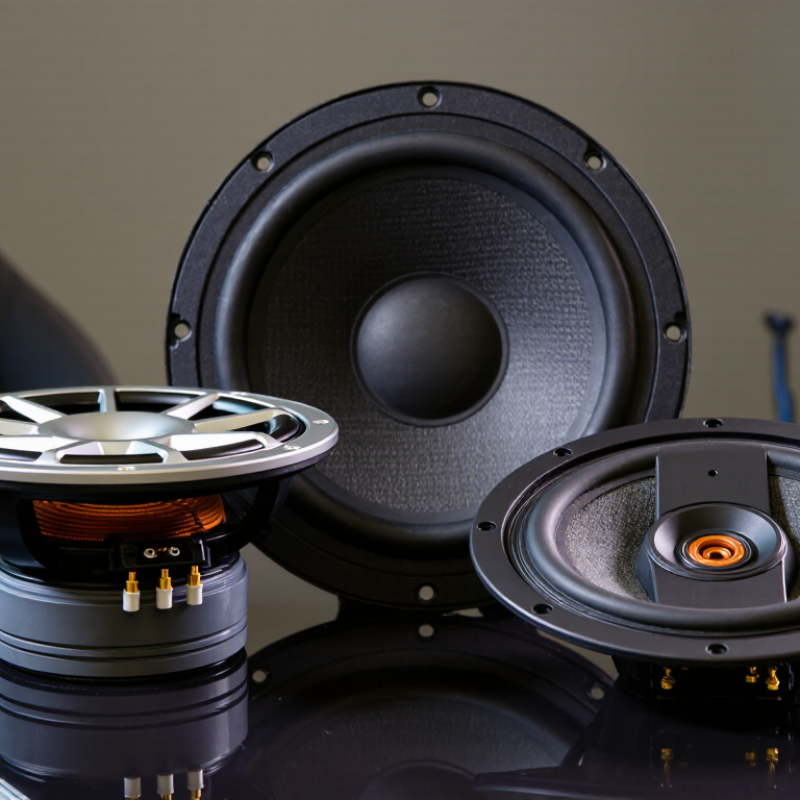
A coaxial speaker places two or more drivers in one assembly, usually with a tweeter mounted near the center of a woofer. This arrangement brings high and low frequencies from nearly the same point. For listeners, that can create a more consistent sound across a small cabin or room. It also saves installation space.

The woofer handles bass and much of the midrange, while the tweeter reproduces higher notes. A crossover directs suitable frequencies to each driver, helping prevent unnecessary strain. On a workbench, the design is easy to recognize: a small tweeter sits above the cone, sometimes protected by a grille. Simple to fit. Yet placement still matters. A door panel aimed at a seat may sound different from one facing the floor, and reflective surfaces can make treble seem sharp.

For global buyers, compare sensitivity, impedance, mounting depth, and stated frequency response with the intended system. Check the cutout size, too; a few millimeters can complicate installation. Published specifications are useful, but they do not fully describe real listening conditions. I would treat broad claims about “clearer sound” cautiously until the speaker is heard in a similar space. Even well-matched drivers can disappoint if the enclosure or placement is poor.

Key Specifications for Comparing Coaxial Speakers in 2026

2026 Top Coaxial Speakers for Global Buyers

Key Specifications for Comparing Coaxial Speakers in 2026

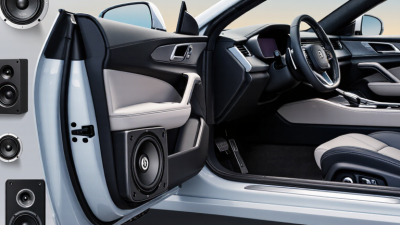
A coaxial speaker places its tweeter near the woofer, saving space in doors and dashboards. Compare the actual cone size, not just the product category. A 6.5-inch model may need a different cutout from another speaker with the same nominal size. Check the mounting depth, too. A window track can leave little room behind a door panel.

Read power ratings carefully. Continuous, or RMS, power is more useful for comparison than peak power. Sensitivity, commonly listed in decibels at 2.83 volts and one meter, helps estimate output, but test methods can differ. Note the impedance and confirm that the intended amplifier can handle it. Frequency response offers clues, not a guarantee of balanced sound. Listen when possible. Small details matter.

Check whether the speaker is two-way or three-way, and look for crossover information rather than assuming extra drivers mean better performance. Materials can suggest durability, but installation and tuning also shape the result. A loose panel can rattle against a well-made speaker. I would treat broad claims about “clearer” or “deeper” sound cautiously; room acoustics and placement are not always stated. Compare measured specifications with your vehicle’s available space and listening needs.

Top Coaxial Speaker Categories for Different Listening Needs

For compact cars and daily commuting, coaxial speakers combine the tweeter and woofer in one unit. They suit buyers replacing factory speakers without redesigning door panels. OICA reported 92.5 million motor vehicles produced worldwide in 2024, showing the scale of the vehicle market these upgrades serve. Check mounting depth and impedance before ordering; a speaker that fits the opening may still foul the window mechanism.

For marine use, prioritize corrosion-resistant materials and a clearly stated water-resistance rating. Salt spray, damp storage, and direct sun can shorten speaker life. For home listening or workshop systems, larger coaxial units may offer fuller midrange, but room placement still matters.

Small detail. A cabinet corner can make bass sound uneven.

The wider category is growing, though market forecasts vary by scope. Grand View Research valued the global loudspeaker market at about USD 6.7 billion in 2024 and forecast continued growth through 2030. That figure covers more than coaxial speakers, so it should not be read as a direct sales estimate for this category.

Compare sensitivity, frequency response, and test conditions across product sheets. Specifications can look precise, yet listening preference remains personal.

How to Match Speaker Size and Power to Your Vehicle

Matching coaxial speaker size to your vehicle starts with the factory openings, not the largest driver that might fit. Measure the cutout diameter and mounting depth, including space behind the door panel. A window track can sit surprisingly close. Check the vehicle manual or remove a trim panel carefully to confirm the available clearance. Adapters can help with unusual openings, but they may change the mounting depth. Measure twice.

Power ratings need equal care. Compare the speaker’s RMS power handling with the amplifier’s RMS output at the same impedance. Peak power figures are less useful for everyday matching. A speaker rated for lower continuous power may distort when pushed hard; an oversized amplifier can also damage it if driven into clipping. Set gains with a test signal or have an experienced installer verify them. Louder is not automatically clearer.

Consider how you actually listen. A compact car with factory wiring may suit efficient speakers that play well at modest power. A larger cabin, open windows, or frequent highway driving can call for more headroom, but added power only helps when wiring and installation support it. Keep polarity consistent, secure the speaker firmly, and check that the door panel does not rattle. The first fit can sound thin. That is not always the speaker’s fault; placement, seals, and settings matter, and I would recheck those before buying more equipment.

2026 Top Coaxial Speakers for Global Buyers - How to Match Speaker Size and Power to Your Vehicle

Vehicle or Listening Need Common Speaker Size Typical Mounting Location Practical Power Range (RMS) Amplifier Matching Guidance Fitment Check
Compact car, factory-speaker replacement 4 in (10 cm) or 5.25 in (13 cm) Dashboard, front door, or rear side panel 20–60 W per speaker Usually suitable for a head unit or a modest external amplifier; compare RMS ratings rather than peak-power figures. Check the opening diameter, mounting depth, screw pattern, and whether an adapter ring is needed.
Compact or midsize car, front-door upgrade 6.5 in (16.5 cm) Front door 30–100 W per speaker Many models work with a head unit, while higher-power models benefit from an amplifier with a compatible RMS output. Confirm door depth, window clearance, grille clearance, and vehicle-specific wiring connections.
Sedan or hatchback, rear-fill upgrade 5.25 in (13 cm) or 6.5 in (16.5 cm) Rear door, parcel shelf, or rear side panel 25–80 W per speaker Keep rear-speaker output balanced with the front stage; avoid choosing by maximum wattage alone. Measure the existing opening and check whether the rear shelf or trim requires a spacer or adapter.
Vehicle with a factory 6 × 8 in or 5 × 7 in opening 6 × 8 in (15 × 20 cm) or 5 × 7 in (13 × 18 cm) Door or rear side panel 30–100 W per speaker Match the speaker’s RMS rating and nominal impedance to the head unit or amplifier’s supported load. These sizes are not interchangeable in every vehicle; verify the cutout shape and mounting points.
Large door opening or higher-output system 6 × 9 in (15 × 23 cm) Rear parcel shelf or compatible door location 40–150 W per speaker An external amplifier can provide more clean output, provided its RMS rating and impedance are compatible. Check basket depth, mounting angle, trim space, and whether the vehicle supports this oval size.
Utility vehicle or off-road vehicle 5.25 in (13 cm), 6.5 in (16.5 cm), or 6 × 9 in (15 × 23 cm) Doors, rear panels, or purpose-built enclosures 30–125 W per speaker Choose power capacity for the intended listening level and amplifier; use suitable protection against moisture where needed. Check enclosure volume, mounting depth, exposure to water, and the vehicle’s available wiring route.
Factory system with limited amplifier output Size determined by the original opening Existing factory locations 20–60 W per speaker Prioritize sensitivity and compatible impedance; high RMS capacity does not by itself make a speaker louder. Confirm whether the factory system uses a separate amplifier, unusual connectors, or a nonstandard impedance.
External-amplifier system Size determined by vehicle fitment Front and rear factory or upgraded locations Choose to suit the amplifier’s clean RMS output Compare RMS power per channel at the speaker’s nominal impedance; leave reasonable headroom and set gain correctly. Verify wiring polarity, amplifier load limits, crossover settings, and safe cable routing.

Fitment and power figures are general guidance, not a guarantee of compatibility. Before purchase, check the vehicle’s speaker openings, mounting depth, factory wiring, nominal impedance, and the speaker and amplifier manufacturers’ RMS specifications.

Global Buying Factors: Compatibility, Warranty, and Availability

For global buyers comparing 2026 coaxial speakers, compatibility starts with measurements, not marketing claims. Check the speaker diameter, mounting depth, cutout shape, and connector before ordering. A 6.5-inch label does not guarantee a perfect fit. Vehicle wiring and factory amplifier output matter, too. S&P Global Mobility reported that the average age of U.S. light vehicles reached 12.6 years in 2024. That makes older installations an important consideration, though this U.S. figure cannot represent every market. Measure the mounting space yourself. It takes minutes.

Warranty terms deserve the same close inspection. Read the coverage period, proof-of-purchase rules, and exclusions for installation damage. Ask whether claims are handled locally or require shipping overseas. The World Bank’s 2023 Logistics Performance Index evaluates countries on factors including shipment tracking and delivery timeliness; those differences can affect replacement-part lead times. A long warranty may feel reassuring, but it is less useful if service is difficult to reach. I have seen buyers overlook this practical detail.

Availability can change between regions, even for the same model. Confirm local stock, delivery estimates, and access to matching grilles or mounting adapters before paying. Request written confirmation when a seller lists an item as available. Small parts matter. One awkward gap remains: online stock counts may not reflect warehouse reality. Treat them as estimates, and keep a compatible alternative in mind.